
Views: 0 Author: Site Editor Publish Time: 2025-08-25 Origin: Site


A pallet edge protector may seem like a small detail, but in today’s fast-paced supply chains it makes a huge difference. Whether you call them pallet protectors, corner protectors, or edge guards, these tools strengthen packaging, prevent damage, and keep shipments stable during transport. Businesses rely on them to improve warehouse safety, reduce costly product loss, and optimize logistics operations. If you want smoother handling, better customer satisfaction, and sustainable packaging, pallet edge protectors are an essential investment.
Pallet edge protectors, sometimes called corner protectors or pallet protectors, are simple yet powerful tools used in logistics. They act as shields for the most vulnerable points of a palletized load—the edges and corners. When goods are stacked and wrapped, these protectors reinforce structural strength and prevent damage during handling, storage, or transport.
Think of them as armor for your pallets. They take the brunt of pressure and impacts that could otherwise crush packaging or deform a pallet. In fast-moving supply chains, this small layer of protection makes a big difference.
Edge protectors are made from different materials, each offering specific benefits.
Cardboard – Lightweight, cost-effective, and recyclable. Ideal for general use.
Plastic – More durable than cardboard. Resistant to moisture and suitable for long-term storage.
Metal – Strongest option. Often used for heavy-duty loads or industrial shipments.
| Material | Benefits | Typical Use Case |
|---|---|---|
| Cardboard | Affordable, eco-friendly, easy to recycle | Retail packaging, light goods |
| Plastic | Durable, moisture-resistant, reusable | Warehousing, outdoor storage |
| Metal | Extremely strong, resists heavy pressure | Industrial equipment, machinery |
Each material has its place. Companies choose based on cost, durability needs, and environmental goals.
Applying pallet edge protectors is straightforward. Workers place them along the corners and edges of a palletized load. Once in position, they’re secured using stretch film, straps, or shrink wrap.
This simple process creates a buffer zone. It spreads out pressure and prevents sharp strapping or rough handling from cutting into packaging. In warehouses and during transport, this extra layer of support helps keep shipments intact.
Edge protectors come in different styles. Each type has unique strengths:
Edge Guards – L-shaped, designed to cover and reinforce pallet edges.
Corner Boards – Long strips that provide vertical protection along corners.
Protective Strips – Flat sections used where strapping or bands might cut into cartons.
They all serve the same goal: strengthen pallet stability and protect goods. Logistics managers often combine different types depending on the load’s size, weight, and fragility.
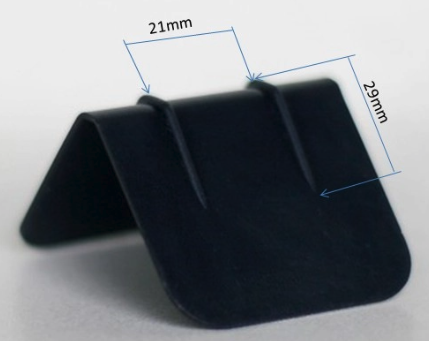
Pallet edge protectors are like the braces that hold everything together. They spread the weight evenly so no single part of the pallet gets too much pressure. When trucks hit bumps or forklifts stop suddenly, goods can shift. Edge protectors act like padding, absorbing the impact and keeping the load stable. Without them, heavy stacks can bend or warp, making the pallet unstable. Edge protectors keep everything firm and in place. In high warehouses, goods are often stacked vertically. Edge protectors support these tall stacks, preventing them from collapsing. They help warehouses use space efficiently without compromising safety.
Shipping without edge protectors is like sending goods into a minefield. Fragile items like electronics, glass, and pharmaceuticals are especially at risk. A small jolt can damage electronic components. A single crack can shatter glass. Poor packaging can make pharmaceuticals unsellable. Edge protectors reinforce weak spots, cushioning corners and edges where damage usually starts. They keep these items safe during transport. Less damage means fewer returns, fewer replacements, and happier customers.
Electronics: Even pressure distribution keeps boxes from getting crushed.
Glassware: Shock absorption prevents cracks and shattering.
Pharmaceuticals: Stability in stacking ensures packaging stays intact.
Unstable pallets are a hazard. They can topple onto workers or force forklift drivers into dangerous situations. Edge protectors make loads more secure, reducing the risk of accidents. They also make handling easier and less strenuous. Workers can move pallets smoothly, knowing they’re stable and safe. This not only protects workers from injuries but also makes their jobs easier.
Fewer musculoskeletal injuries: Stable pallets mean less strain.
Reduced chance of falling loads: Secure stacks prevent accidents.
Safer high stacking and transport: Workers can handle tall stacks with confidence.
Damaged products cost money. So do replacements, downtime, and customer refunds. Edge protectors prevent damage before it happens, saving businesses money. They also extend the life of pallets. Strong edges mean pallets last longer and need fewer replacements. Over time, this reduces material costs. Fewer accidents also mean fewer insurance claims and lower liability costs.
Lower product damage expenses: Goods arrive in better condition.
Reduced pallet replacement cycles: Pallets last longer.
Fewer claims from accidents: Safer loads mean fewer workplace injuries.
Long-term operational savings: Businesses save money over time.
Edge protectors are like the armor that shields your pallets from damage. They sit along the corners and edges, spreading out the weight so no single spot gets too much pressure. Imagine stacking boxes without protectors—the bottom ones get squished. But with edge protectors, the weight is evenly distributed, keeping everything stable. This means your goods stay safe during transport and storage. Without them, pressure can build up in one spot, causing dents or even collapsed cartons.
When you use straps to secure your pallets, they can sometimes cut into the cardboard, especially if the edges are weak. Edge protectors create a smooth barrier that stops the straps from slicing through. This keeps your boxes intact. Stretch wrap can also loosen during transit, causing goods to shift. But with edge protectors, the wrap stays tight, preventing any slipping or sliding. This extra grip ensures your load stays steady, even on bumpy roads or in crowded warehouses.
Forklifts and pallet jacks can get snagged on bent or weak pallet edges, causing misalignment and delays. Edge protectors reinforce these weak points, making the edges smoother and stronger. This means fewer snags and less time spent correcting misaligned loads. Workers can move pallets through tight spaces more easily, speeding up loading and unloading processes and reducing delays.
In warehouses, space is precious, and vertical storage is key. Edge protectors allow you to stack pallets higher without worrying about them collapsing. They keep tall stacks firm and aligned, supporting multi-level storage systems. This means you can store more goods in the same space, optimizing your warehouse’s capacity without needing extra room.
Construction sites deal with scaffolding, formwork, and heavy materials stacked daily. Edges often crack under weight or stress. Protectors reinforce these weak points, adding a cushion between surfaces.
They also improve safety. A protected corner is less likely to chip or collapse, lowering the chance of accidents on job sites. Workers handle beams and panels with more confidence when stability is visible.
Benefits for construction teams:
Reinforces edges of formwork and scaffolding.
Reduces collapse risk when stacking heavy items.
Improves safety compliance on-site.
During transit, loads shift inside trucks, ships, or containers. Without protection, even small bumps cause pallets to lean or topple. Edge protectors stabilize corners, holding goods in place throughout the journey.
The result is fewer damaged shipments. Goods arrive intact and ready for delivery. For carriers and shippers, it means lower claims, smoother operations, and better service reliability.
| Mode of Transport | Risk Without Protectors | Protector Advantage |
|---|---|---|
| Trucks | Load shift, carton collapse | Balanced, stable stacking |
| Ships | Movement from waves | Reduced tipping, safer storage |
| Containers | Pressure from tight stacks | Even load distribution |
In manufacturing plants, palletization speeds up workflows. Protectors keep stacks aligned, so forklifts can move goods quickly. Misaligned pallets often block aisles or cause jams on conveyor systems. Protectors reduce this bottleneck risk.
They also support efficiency in storage. Stacks remain upright longer, making it easier to maximize vertical and horizontal space. That keeps warehouses running smoothly under pressure.
Workflow advantages:
Supports faster palletization.
Prevents warehouse delays and aisle blockages.
Boosts overall material-handling efficiency.
Retail and e-commerce rely on presentation. Pallets often move straight from warehouses to store floors or fulfillment centers. Protectors give these pallets neat edges, so displays look professional and organized.
Shoppers notice details. A clean, aligned stack reflects reliability and care. It improves customer perception and enhances the shopping experience. For online retailers, it reduces damaged packaging complaints upon delivery.
Key outcomes:
Creates clean, professional displays.
Improves brand image through neat packaging.
Enhances customer trust and satisfaction.
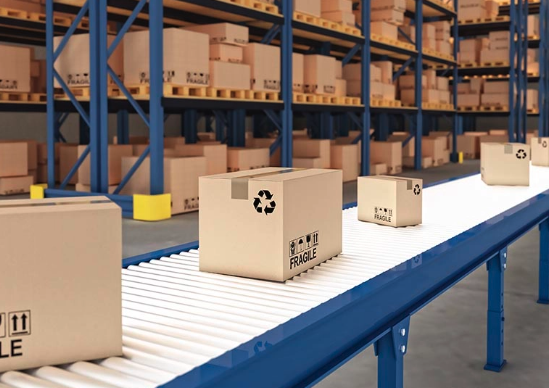
Edge protectors come in materials that are kind to the planet. Cardboard ones are biodegradable and break down naturally. Plastic protectors are reusable and recyclable, offering long-term durability. And metal protectors are super durable, meaning they last a long time before needing disposal. Each material helps reduce waste in its own way.
Damaged goods create a lot of waste. When products get damaged, replacements are needed, which means more resources, more fuel, and more packaging. Edge protectors lower the chances of product loss, reducing the number of wasted shipments. They also extend the life of pallets. Reinforced pallets last longer, so they don’t need to be replaced as often. This means less waste and greener warehouse operations.
Today, companies set goals to reduce their environmental impact. Edge protectors fit right into these plans. They help cut down on landfill waste, reduce packaging use, and support recycling programs. For businesses facing sustainability audits, using eco-friendly protectors shows a real commitment to the environment. Customers notice these efforts too. It builds trust and aligns with corporate responsibility strategies.
Not every shipment needs them. Lightweight or single-box loads may not require protectors. But for heavy, fragile, or high-value goods, pallet edge protectors add critical stability and reduce damage risk.
Yes, many protectors are reusable. Cardboard versions usually last once or twice, while plastic and metal protectors can survive multiple cycles. Companies often reuse them to cut costs and reduce waste.
Unstable pallets often tip or collapse, creating hazards. Protectors keep stacks upright, reducing the chance of accidents. Safer pallets mean fewer injuries for forklift operators and warehouse staff.
Yes, they work together. Protectors stop straps from cutting into boxes. They also hold stretch film tighter, preventing pallets from slipping or shifting during transit.
They reduce product damage, extend pallet life, and lower insurance claims. Over time, the savings from fewer returns and replacements outweigh the small cost of protectors.
Pallet edge protectors may look small, but their impact on logistics is huge. They stabilize loads, protect fragile products, improve worker safety, and reduce overall costs. By supporting vertical stacking and reinforcing packaging, they ensure smoother warehouse operations and safer transportation. In today’s supply chain, efficiency depends on more than speed. It depends on reliability and sustainability. Using pallet edge protectors lowers product loss, extends pallet lifespan, and helps businesses meet green goals through recyclable and eco-friendly options.
For companies looking to upgrade packaging solutions, Foshan TP-Pack Packaging Materials Co., Ltd. is a trusted partner. The company specializes in high-quality pallet edge protectors, corner boards, and protective strips made from durable and sustainable materials. Its solutions are designed to safeguard goods in transit, optimize warehouse storage, and enhance overall supply chain efficiency. By investing in the right protective packaging, businesses not only save money but also strengthen their brand reputation. In a competitive market, details matter—and pallet edge protectors prove that even the simplest tools can drive powerful results.


